

Choosing the Best Industrial Surface Cleaner for Your Business
Picking the right Industrial Surface Cleaner for your business can feel like a big job, but it doesn't have to be a headache. We're here to help you figure out what you really need and show you some great options. We'll also talk about how to use these tools the best way, so you get a good clean every time and keep everyone safe. Let's get into it!
Key Takeaways
- We need to match the right Industrial Surface Cleaner to the type of surfaces we're cleaning, like concrete sidewalks or indoor tile, to get the best results.
- Mosmatic Industrial Surface Cleaners are tough and reliable, making them a good choice for big cleaning jobs because they work fast and clean evenly.
- Using the Industrial Surface Cleaner correctly and following safety rules is super important to make sure our cleaning is effective and everyone stays safe.
Understanding Your Industrial Surface Cleaner Needs
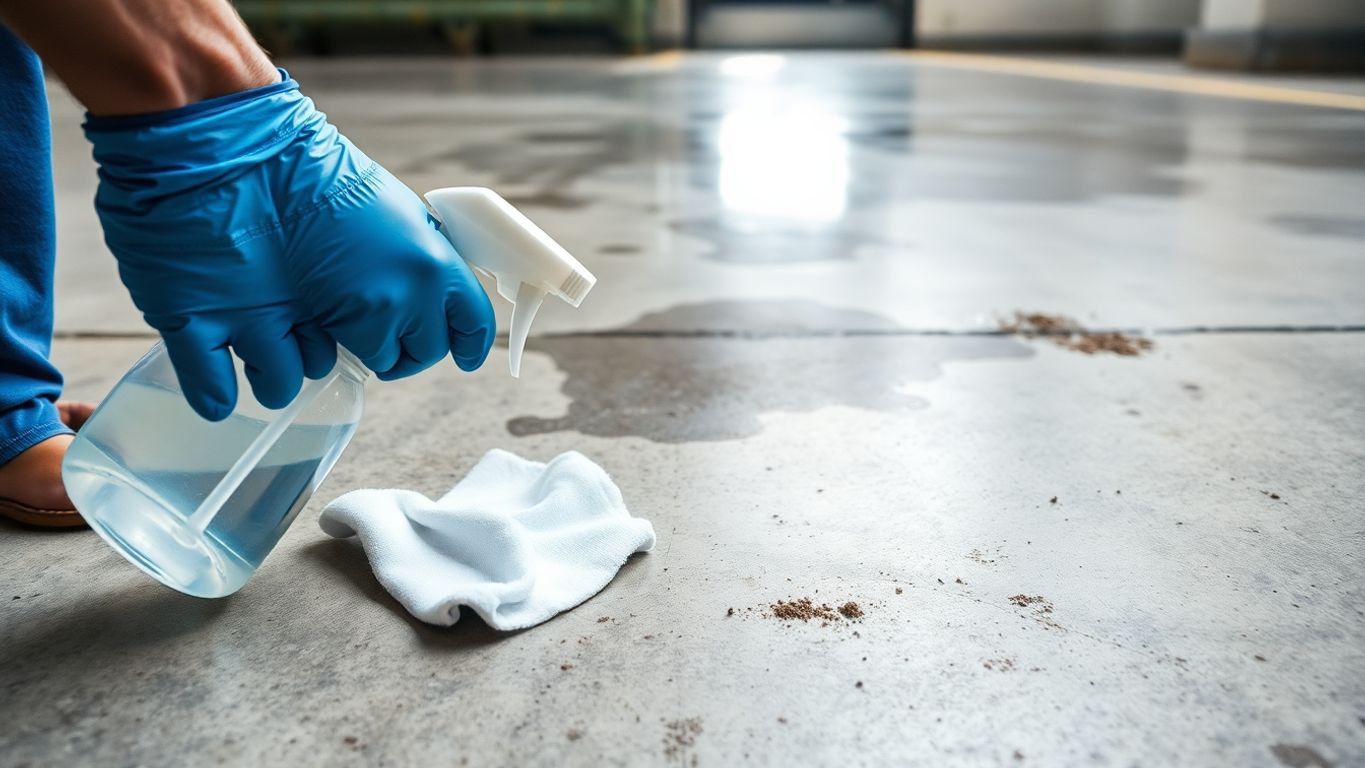
Before we choose the right equipment, it's important to understand exactly what we need from an industrial surface cleaner. Not all surfaces are created equal, and neither are the cleaning solutions and equipment designed to tackle them. Let's break down the key considerations to ensure we're making informed decisions.
Identifying Common Surfaces for Cleaning
First, we need to think about the types of surfaces we'll be cleaning most often. This will heavily influence our choice of cleaning methods and equipment. Here are some common surfaces that often require industrial cleaning:
- Concrete: Sidewalks, driveways, parking lots, and factory floors all fall into this category. Concrete is durable but can accumulate dirt, oil, and stains.
- Tile and Grout: Often found in restrooms, kitchens, and other areas requiring hygiene, tile and grout can be challenging to clean effectively.
- Asphalt: Driveways and parking lots made of asphalt require a gentler approach than concrete to avoid damage. Lower pressure is key here.
- Metal: Machinery, equipment, and structural components often need cleaning and degreasing.
Understanding the specific surfaces we'll be working with is the first step in selecting the right industrial surface cleaner. This knowledge will guide our choices regarding cleaning solutions, equipment, and techniques.
Matching the Right Industrial Surface Cleaner to the Job
Once we know the surfaces we'll be cleaning, we can start matching the right cleaner and equipment to the task. Different cleaning jobs require different approaches. For example:
- Pressure Washing: Ideal for outdoor concrete and brick surfaces, pressure washing uses high-pressure water to blast away dirt and grime.
- Soft Washing: This method uses lower pressure combined with detergents, making it suitable for delicate surfaces like painted walls or roofing.
- Surface Scrubbers: Rotary or oscillating tools are great for deep cleaning flat surfaces, especially indoors or on smooth floors. Consider rotary cleaning heads for these jobs.
- Gum Removal Systems: Specialized machines like Goodbye Gum use heat and biodegradable solutions to remove gum without damaging the surface. These are perfect for high-traffic areas prone to gum buildup.
Exploring Industrial Surface Cleaner Equipment Options
As we consider the diverse needs of industrial cleaning, it's important to explore the equipment options available. The right tools can significantly improve efficiency, safety, and the overall quality of the cleaning process. Choosing the correct equipment ensures safe and effective results.
The Power of Mosmatic Industrial Surface Cleaners
When it comes to tackling large flat surfaces, Mosmatic surface cleaners are a game-changer. These professional-grade tools are designed for fast, consistent, and safe cleaning, making them a favorite among contractors, municipalities, and maintenance teams. What makes Mosmatic unique? They feature fully stainless steel frames and decks, reinforced rotary arms built for balance and speed, maintenance-free swivel joints, and a safety skirt to contain overspray. Here are some common applications:
- Sidewalks and parking lots
- Drive-throughs and gas stations
- Warehouses and factory floors
Mosmatic surface cleaners are pressure washer attachments with a rotating spray bar that delivers consistent water pressure across a flat surface. It prevents streaking, reduces operator fatigue, and completes jobs faster than a standard wand.
Clean Direct supplies a wide range of Mosmatic surface cleaners built to handle commercial and industrial jobs with precision and efficiency. For example, the Mosmatic FL Series are standard flat surface cleaners with fixed handles, ideal for sidewalks, parking lots, and general exterior cleaning.
Specialized Industrial Surface Cleaner Tools for Unique Challenges
Beyond flat surface cleaners, there are specialized tools designed to tackle unique cleaning challenges. These tools can help you address specific issues and ensure a thorough clean in even the most difficult-to-reach areas. Here are some examples:
- Gum Removal Machines: Like the Goodbye Gum system, these use heat and biodegradable solutions to break down and remove gum without damaging the surface.
- Rotary Cleaning Heads: Ideal for ducts and hard floors, these tools provide a deep clean in areas that are difficult to reach with standard equipment.
- High Dusting Systems: These systems, often featuring telescopic poles and specialized attachments, allow you to clean high-up areas like ceilings, rafters, and ductwork safely and efficiently. Pair Nilfisk and Prestivac vacuums with Clean Directs extendable carbon fiber high dusting poles and attachments to safely clean overhead surfaces without ladders or lifts. This combination helps keep combustible dust from accumulating in dangerous locations.
These specialized tools, along with the right commercial detergents and degreasers, can help you achieve a comprehensive clean in any industrial setting.
Best Practices for Effective Industrial Surface Cleaning
Optimizing Industrial Surface Cleaner Performance
To really get the most out of your industrial surface cleaner, it's not just about having the right equipment; it's about using it the right way. We've found that a few key adjustments can make a huge difference in the final result. First, always start with a clean surface. A quick sweep or blow-off can remove loose debris, preventing it from being ground into the surface during cleaning. This simple step can save you time and effort in the long run.
Next, consider the water temperature. Hot water can be incredibly effective for removing grease and oil, but it's not always necessary or safe for all surfaces. Always check the manufacturer's recommendations for both the cleaner and the surface you're working on. Also, don't underestimate the power of pre-treating stubborn stains. Applying a specialized cleaner or degreaser before the main cleaning process can significantly improve the outcome. For instance, if you're dealing with gum on sidewalks, pre-treating with a gum removal tool can make the job much easier. Speaking of sidewalks, using a high pressure flat surface cleaner is the most effective way to clean them efficiently and professionally.
Finally, remember to overlap your passes slightly to ensure complete coverage. This prevents streaks and missed spots, giving you a uniform and professional finish. Here's a quick recap:
- Sweep or blow off loose debris first.
- Consider water temperature and surface compatibility.
- Pre-treat stubborn stains for better results.
By following these tips, we've consistently achieved better results and extended the life of our equipment. It's all about working smarter, not harder.
Ensuring Safety with Your Industrial Surface Cleaner
Safety should always be our top priority when using industrial surface cleaners. These powerful tools can be incredibly effective, but they also pose risks if not handled properly. Always wear appropriate personal protective equipment (PPE), including safety glasses, gloves, and sturdy footwear. This protects you from splashes, debris, and potential chemical exposure.
Before starting any cleaning job, inspect your equipment thoroughly. Check for worn hoses, loose connections, and any signs of damage. A malfunctioning surface cleaner can be dangerous and ineffective. Also, be aware of your surroundings. Keep bystanders at a safe distance and use caution when working near electrical equipment or power lines. If you're using a pressure washer, never point the wand at yourself or others.
Here are some additional safety measures we always take:
- Inspect equipment for wear and damage before each use.
- Ensure proper ventilation when working indoors or in enclosed spaces.
- Store chemicals and equipment securely when not in use.
Also, remember that different surfaces require different levels of pressure. Avoid using high pressure on cracked or crumbling surfaces, as this can cause further damage. When cleaning driveways, it's important to use the right driveway surface cleaners to avoid damaging the surface. Always start with a lower pressure setting and gradually increase it until you achieve the desired cleaning power. Finally, take the time to read and understand the manufacturer's instructions for your equipment and chemicals. This will help you use them safely and effectively. By following these guidelines, we can ensure a safe and productive cleaning experience for everyone.
Want to make sure your factory floors and machines are super clean? It's not just about looking good; it helps everything run better and safer. We've put together some easy tips to help you get the best clean possible. To learn all the secrets and make your cleaning routine top-notch, check out our website!
Wrapping Things Up
So, we've talked a lot about picking the right industrial surface cleaner for your business. It really comes down to knowing what kind of mess you're dealing with, what surfaces need cleaning, and how often you'll be doing it. There are so many options out there, from powerful pressure washers to specialized gum removers, and even those cool rotary cleaners. We hope this chat has given you a clearer picture of what to look for. Getting the right tools means your cleaning jobs will be easier, safer, and just plain better. And hey, if you're ever stuck, places like Clean Direct have tons of different systems and can help you figure out exactly what you need to get those surfaces sparkling.
Frequently Asked Questions
How do we pick the right cleaning tool for different types of surfaces?
We often get asked about the best way to clean different surfaces. For sidewalks, especially those with lots of foot traffic, a flat surface cleaner attached to a pressure washer works wonders. For inside floors that are smooth, like in a warehouse, a spinning floor tool is usually the right choice. If you have sticky gum spots, special gum removal machines are super helpful. And for really greasy or oily spots, using a heated cleaning system will get the job done best.
What's the best way to choose an industrial surface cleaner?
Choosing the right industrial surface cleaner is super important for getting the best results. First, we figure out what kind of dirt we're dealing with—is it just dust, or is it oil and grease? Then, we look at the surface itself: is it concrete, tile, or something more delicate? We also think about how big the area is and how often it needs cleaning. Clean Direct has lots of options, from powerful pressure washer attachments to special degreasers, so we can always find something that fits your needs perfectly.
Are Mosmatic surface cleaners good for big cleaning projects?
Yes, Mosmatic surface cleaners are really good for big cleaning jobs. They hook up to pressure washers and have a spinning bar that sprays water evenly, which means no streaks and faster cleaning. They're built super tough, usually from stainless steel, so they last a long time even with heavy use. Plus, they keep the water directed down, so there's less mess, and they have covers to keep you safe. We often recommend them for places like sidewalks, parking lots, and big factory floors.
Share


