

The Importance of Regular Cleaning Of Solar Panels for Optimal Energy Production
We all want to get the most out of our solar panels, right? It's a big investment, and we want to make sure we're producing as much energy as possible. One thing we've learned is that keeping those panels clean is a pretty big deal. It's not just about looks; it actually affects how much power we get. We're going to talk about why cleaning of solar panels is so important and how we can do it effectively.
Key Takeaways
- Dirt and debris on solar panels can significantly reduce their energy output, sometimes by as much as 10-30%.
- Regular cleaning of solar panels, typically every 6-12 months for homes, helps maintain optimal performance and protects your investment.
- Using pure water and soft brushes with extension poles is the safest and most effective method for cleaning of solar panels, avoiding damage from high pressure.
Maximizing Your Solar Investment Through Cleaning Of Solar Panels
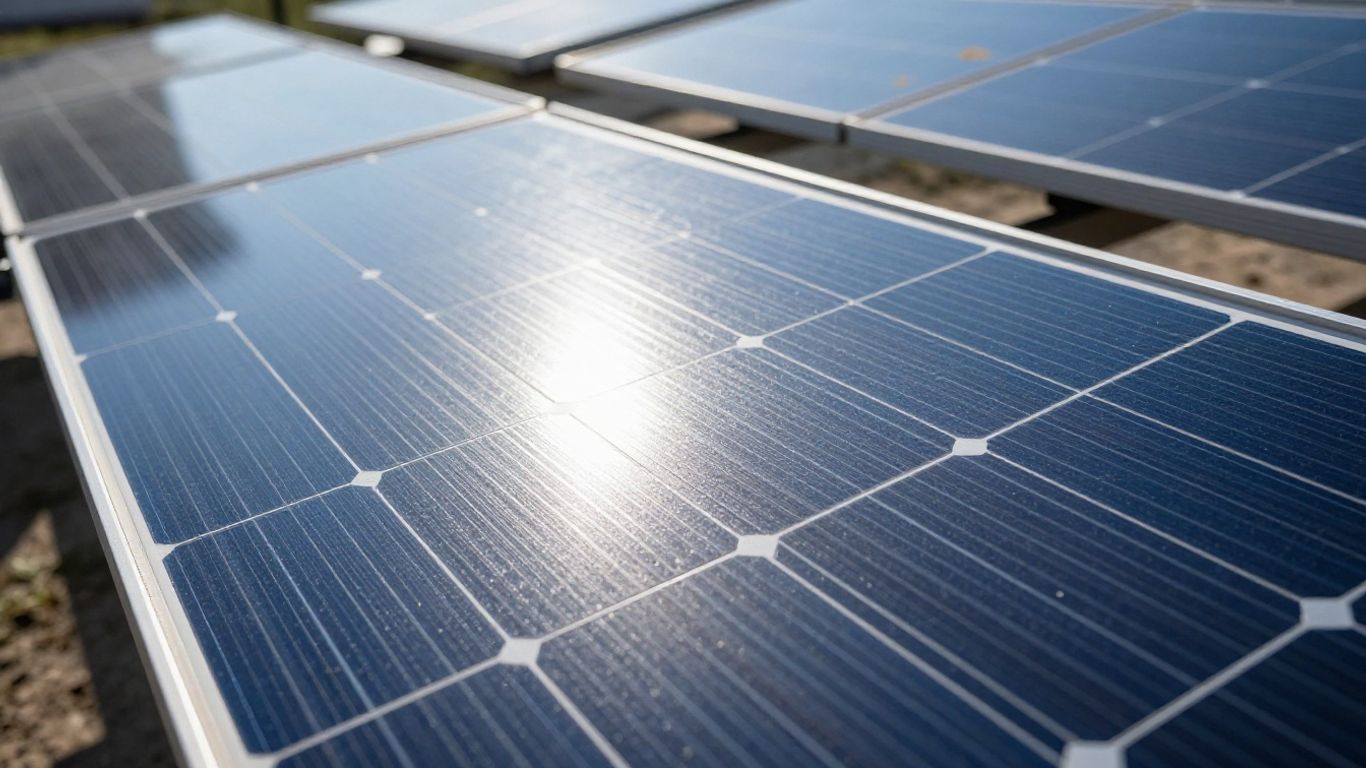
We all want to get the most out of our solar panel investment, right? It makes sense to keep them in good shape. Think of your solar panels like any other important piece of equipment – regular maintenance really does make a difference. Over time, things like dust, pollen, and even bird droppings can build up on the surface of your panels. This buildup acts like a blanket, blocking sunlight from reaching the solar cells underneath.
The Impact Of Dirt And Debris On Energy Output
It might seem like a small amount of dirt, but it can actually have a pretty noticeable effect on how much energy your system produces. We're talking about a potential drop in efficiency, sometimes as much as 10 to 30 percent! That's a significant chunk of the energy you're expecting to generate. Beyond just reducing output, this uneven coverage can create 'hot spots' on the panels. These hot spots are areas that get warmer than the rest of the panel, and over time, they can actually cause damage to the panel's surface. Keeping your panels clean helps maintain their performance and protects your long-term investment.
Understanding Common Sources Of Buildup
So, what exactly causes this buildup? It really depends on where you live, but some common culprits include:
- Dust: This can come from nearby roads, construction sites, or even just general airborne particles.
- Pollen: Especially during certain seasons, pollen can coat surfaces quite heavily.
- Bird Droppings: These are common, particularly if you have trees or other areas where birds frequent.
- Air Pollution: In urban or industrial areas, smog and other pollutants can settle on your panels.
- Salt and Grime: If you live near the coast, salt spray and general grime can accumulate.
Regularly cleaning your solar panels is a straightforward way to ensure they operate at their best. It's not just about getting more power; it's about protecting the equipment itself from potential damage caused by prolonged exposure to debris and uneven heating. Think of it as preventative care for your energy system.
We recommend cleaning your panels every 6 to 12 months for most residential systems. If you have a commercial setup, you might consider cleaning them every 3 to 6 months. It's also a good idea to give them a clean after major pollen seasons or if you notice a significant drop in energy production without any other obvious reason. For those looking to offer professional cleaning services, having the right tools is key. Systems like the Mosmatic Foam Brush Wand can be part of a comprehensive cleaning setup.
Effective Strategies For Cleaning Of Solar Panels
Keeping our solar panels clean is a pretty straightforward way to make sure we're getting the most out of them. It's not rocket science, but there are definitely some best practices we should all be aware of. When we think about cleaning, the first thing that comes to mind is usually what to use and how to do it safely.
Choosing The Right Cleaning Method
When it comes to cleaning, we want to be effective without causing any harm. The best approach for us is usually using pure water. This means using water that's been filtered to remove all the minerals and impurities. Why is this so good? Because it dries without leaving any spots or streaks behind. This is super important for solar panels, as any residue can actually block sunlight and reduce their efficiency. We can use this pure water with a soft brush on a long pole. This lets us clean the panels from the ground, which is much safer than climbing up on the roof.
We should avoid harsh chemicals or abrasive materials at all costs. Things like regular tap water can leave mineral deposits, and using the wrong kind of brush or even a pressure washer can scratch the glass or damage the seals. That's definitely not what we want.
Essential Equipment For Safe And Efficient Cleaning
To get the job done right, we need the right tools. It makes the whole process much easier and, more importantly, safer.
Here’s what we typically find useful:
- Telescopic Poles: These are a game-changer. They let us reach the panels from the ground, so we don't have to risk climbing ladders or walking on the roof. Carbon fiber ones are great because they're lightweight but still strong.
- Soft-Bristle Brushes: We need brushes that are gentle on the panel surface. Think of something like a car wash brush, but designed for solar panels.
- Pure Water System: This is key. Whether it's a deionization (DI) or reverse osmosis (RO) system, it filters our tap water down to zero impurities. This ensures a spotless finish.
- Hose and Fittings: We'll need a good hose to connect our water source to the pole and brush, along with any necessary adapters.
Working from the ground with extendable poles is the safest way to clean solar panels. It significantly reduces the risk of falls and injuries, which is always our top priority. Plus, it makes the job go much faster.
By using these methods and tools, we can keep our solar panels looking good and working their best, which means more energy for us and a better return on our investment.
Keeping your solar panels clean is super important for them to work their best. Dirt and grime can really block the sun's rays, making them less effective. We've put together some simple ways to clean them that anyone can do. Want to learn more about keeping your panels shining bright and working hard? Visit our website today for all the best tips and tricks!
Wrapping Up: Keeping Your Solar Panels Shining
So, we've talked a lot about why keeping those solar panels clean is a good idea. It really does make a difference in how much power we get from them. Think of it like washing your car – it just looks and runs better when it's clean. We can all do our part to make sure our solar investments are working their best. A little bit of cleaning now and then can save us headaches and keep our energy bills down in the long run. Let's all try to remember to give them a good wash every so often!
Frequently Asked Questions
How often should we clean our solar panels?
For most homes, cleaning your solar panels about once or twice a year is usually enough. However, if you live in an area with a lot of dust, pollen, or near trees, you might need to clean them more often. We also recommend cleaning them if you notice a big drop in how much energy they're producing without any other clear reason.
What's the best way to clean solar panels?
The safest and most effective way to clean solar panels is by using pure water, like deionized water, along with a soft brush on a long pole. This method gently removes dirt and grime without leaving any residue or scratching the panels. We advise against using high-pressure washers, as they can damage the panels and potentially void your warranty.
Can I clean my solar panels myself, or should I hire someone?
You can certainly clean them yourself if you have the right tools and feel comfortable doing so, especially if your panels are easy to reach. However, if your panels are on a steep roof or difficult to access, it’s much safer to hire a professional. They have the proper equipment and safety gear to do the job correctly and without risk.
Share


