

Expert Tips for Effective Driveway Cleaning
We all want our homes to look their best, and that includes the driveway. Over time, driveways can get pretty grimy with oil spots, dirt, and all sorts of other gunk. It really brings down the look of the place. Luckily, we can tackle this ourselves. With the right approach, we can get our driveways looking clean and new again.
Key Takeaways
- Using a surface cleaner attachment with a pressure washer is a fast and even way to clean driveways, preventing streaks.
- Prepare the driveway by clearing debris and pre-treating tough stains like oil or grease before you start cleaning.
- Concrete, pavers, and asphalt are common driveway surfaces that benefit from cleaning, but always use appropriate pressure for each material.
Achieving a Pristine Driveway Surface
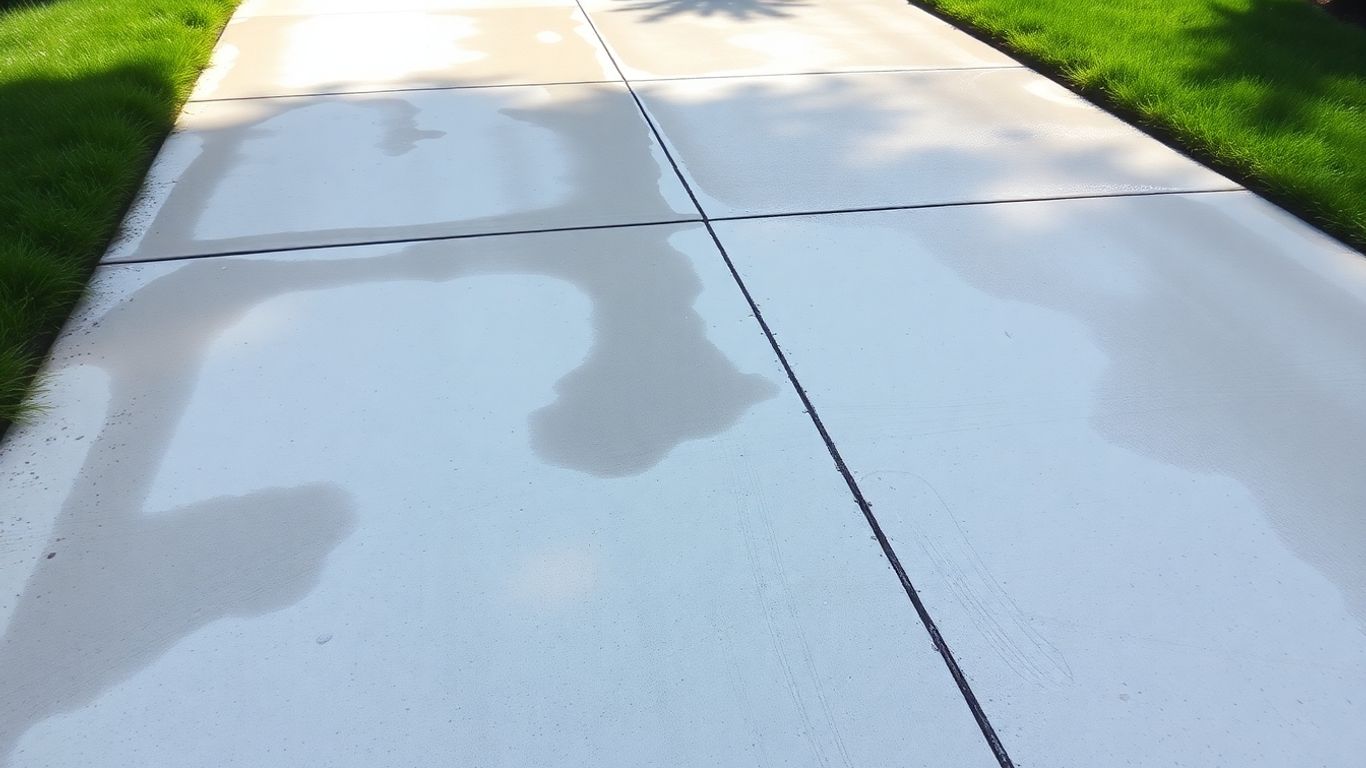
We all want our driveways to look their best, right? A clean driveway really makes a difference in how a property looks from the curb. Over time, though, they can get pretty grimy with oil spots, tire marks, and just general dirt from being outside. That's where knowing how to clean them effectively comes in handy.
Understanding Surface Cleaners For Driveway Cleaning
When we talk about cleaning driveways, a surface cleaner is a game-changer. Think of it as a special attachment for your pressure washer. It's basically a round disc with a spinning bar inside that sprays water evenly. This is way better than just using the wand of the pressure washer because it covers a larger area all at once and, more importantly, it applies the pressure uniformly. This means no more annoying stripes or uneven patches! It also helps contain the spray, so you're not splashing water everywhere.
We've found that using a surface cleaner can really cut down on the time it takes to get the job done. Plus, it's less tiring than trying to scrub a whole driveway with just a wand. It's really about getting a consistent, professional look without all the extra hassle.
The Driveway Cleaning Process
Getting your driveway clean is pretty straightforward once you have the right tools. Here’s how we usually tackle it:
- Clear the Area: First things first, we move everything off the driveway – cars, bikes, planters, you name it. We also do a quick sweep or blow away any loose leaves or debris.
- Pre-Treat Stains: For any really tough spots, like oil or grease, we’ll use a degreaser. Let it sit for a bit to break down the stain before you start pressure washing.
- Connect and Clean: Attach your surface cleaner to your pressure washer. Then, start at one end of the driveway and move the cleaner in steady, overlapping passes. It’s important to keep it moving to avoid etching the surface.
- Rinse and Inspect: Once you've covered the whole area, give it a good rinse with the pressure washer wand to wash away any loosened dirt. After it dries, take a look to see if you missed any spots.
It's really about working smart, not just hard. Using the right attachment means you get better results with less effort, and your driveway will look fantastic.
Essential Tools and Techniques for Driveway Cleaning
When we talk about getting your driveway looking its best, the right tools and methods make all the difference. It's not just about blasting dirt away; it's about doing it efficiently and safely. We've found that using specialized equipment can really speed things up and give you a much more even clean than just using a regular pressure washer wand.
Recommended Equipment for Driveway Cleaning
For driveways, we really lean on what are called surface cleaners. Think of it as a shield for your pressure washer that spins a cleaning bar underneath. This setup is fantastic because it keeps the water pressure consistent across the entire surface, preventing those annoying stripes you can get from a wand. It also helps contain the spray, so you're not splashing water and dirt everywhere. We recommend looking at Mosmatic surface cleaners; they're built tough from stainless steel and can handle a lot of work. For most driveways, a cleaner with a 20 to 30-inch cleaning path is a good starting point. You'll want a pressure washer that can deliver at least 3000 PSI, and ideally around 4 GPM or more.
Surface Types That Benefit From Cleaning
Most common driveway materials respond really well to this kind of cleaning. This includes:
- Concrete: Whether it's plain, stamped, or even exposed aggregate, concrete is usually quite durable.
- Pavers: These can be cleaned effectively, just be mindful of the joints.
- Asphalt: While asphalt can be cleaned, we suggest using a bit less pressure or softer tips to avoid any damage.
It's always a good idea to do a small test patch in an inconspicuous area first, especially if you're unsure about the material or its condition. This helps you gauge the pressure and technique needed without risking damage to the whole surface. We also found that pre-treating tough stains like oil or grease can make a huge difference in the final result. Using a good degreaser before you start with the surface cleaner can save you a lot of time and effort.
Keeping your driveway looking its best doesn't have to be a chore. With the right tools and simple methods, you can make it shine like new. Discover the easy ways to clean your driveway and give your home's entrance a fresh look. Visit our website today to learn more about the best cleaning supplies and tips!
Wrapping Up Your Driveway Cleaning Project
So, there you have it! We've walked through how to tackle that driveway grime, from the simple stuff to the tougher stains. Remember, keeping your driveway looking good isn't just about how it looks from the street; it's about protecting your property too. We hope these tips give you the confidence to get out there and make a real difference. Don't be afraid to try out some of the tools and techniques we discussed. A clean driveway can really change the whole feel of your home. Happy cleaning!
Frequently Asked Questions
What's the best way to clean tough stains like oil on my driveway?
For stubborn spots like oil or grease, we suggest using a degreaser before you start the main cleaning process. Apply it directly to the stain, let it sit for a bit to break down the gunk, and then proceed with your surface cleaner. This pre-treatment makes a big difference in getting those tough marks gone.
How often should we be cleaning our driveway?
How often you need to clean your driveway really depends on your surroundings and how much traffic it gets. Generally, giving it a good clean once or twice a year is a good idea. If you live in an area with a lot of trees, dust, or if you notice it getting visibly dirty or slick, then more frequent cleaning might be necessary to keep it looking good and safe.
Can we use the same tools to clean different types of driveways?
For the most part, yes! Tools like surface cleaners work great on concrete, pavers, and stamped concrete. However, if you have an asphalt driveway, we recommend using a bit less pressure or softer cleaning tips to avoid any damage. It's always smart to check the surface type and adjust your approach if needed.
Share


