

The Ultimate Guide to Roof Shingle Cleaning: Protect Your Investment
We all want our homes to look their best, and that includes the roof over our heads. Over time, shingles can get pretty grimy, collecting all sorts of things like moss, algae, and just plain old dirt. This buildup doesn't just make your roof look bad; it can actually cause damage and shorten its lifespan. That's why we're here to talk about Roof Shingle Cleaning. It's a simple process that can make a big difference in protecting your home and keeping it looking sharp.
Key Takeaways
- Regular Roof Shingle Cleaning prevents damage from moss and algae, which can degrade shingles and lead to leaks.
- The soft wash method is the safest and most effective way to clean shingles, using low pressure and specialized solutions.
- Cleaning your roof every 2 to 4 years, or more often in damp climates, helps maintain its appearance and extends its life.
Understanding Roof Shingle Cleaning
We all want our homes to look their best, and that includes the roof. Over time, roofs can accumulate a variety of things – think moss, algae, dirt, and general grime. This buildup isn't just unsightly; it can actually cause damage to your shingles and shorten the lifespan of your roof. Regular cleaning is key to keeping your roof in good shape and protecting your home.
Why Roof Shingle Cleaning Matters
Keeping your shingles clean is more than just an aesthetic choice. It's a vital part of home maintenance that helps prevent bigger problems down the line. When organic growth like moss and algae takes hold, it can trap moisture against your shingles. This trapped moisture can lead to deterioration, especially in colder climates where it can freeze and expand. Furthermore, dark stains from algae can absorb more heat, potentially affecting your home's energy efficiency. Addressing these issues early through cleaning can save you from costly repairs or premature roof replacement. It’s about preserving the integrity of your home and its value.
Signs Your Roof Needs Attention
So, how do you know if your roof is signaling it needs a cleaning? Keep an eye out for a few common indicators. The most obvious are those dark, streaky lines that often appear on the north-facing side of your roof, which are usually caused by algae. You might also see patches of green moss growing, especially in shaded or damp areas. If your gutters seem to be constantly clogged with debris that's coming off the roof, that's another sign. Even a general discoloration or a dull appearance across the shingles can suggest it's time for a clean. Don't wait until you see visible damage; proactive cleaning is always the best approach. For ground-based cleaning solutions that minimize risk, consider looking into options like the Ionic Roof Wand™.
Effective Roof Shingle Cleaning Methods
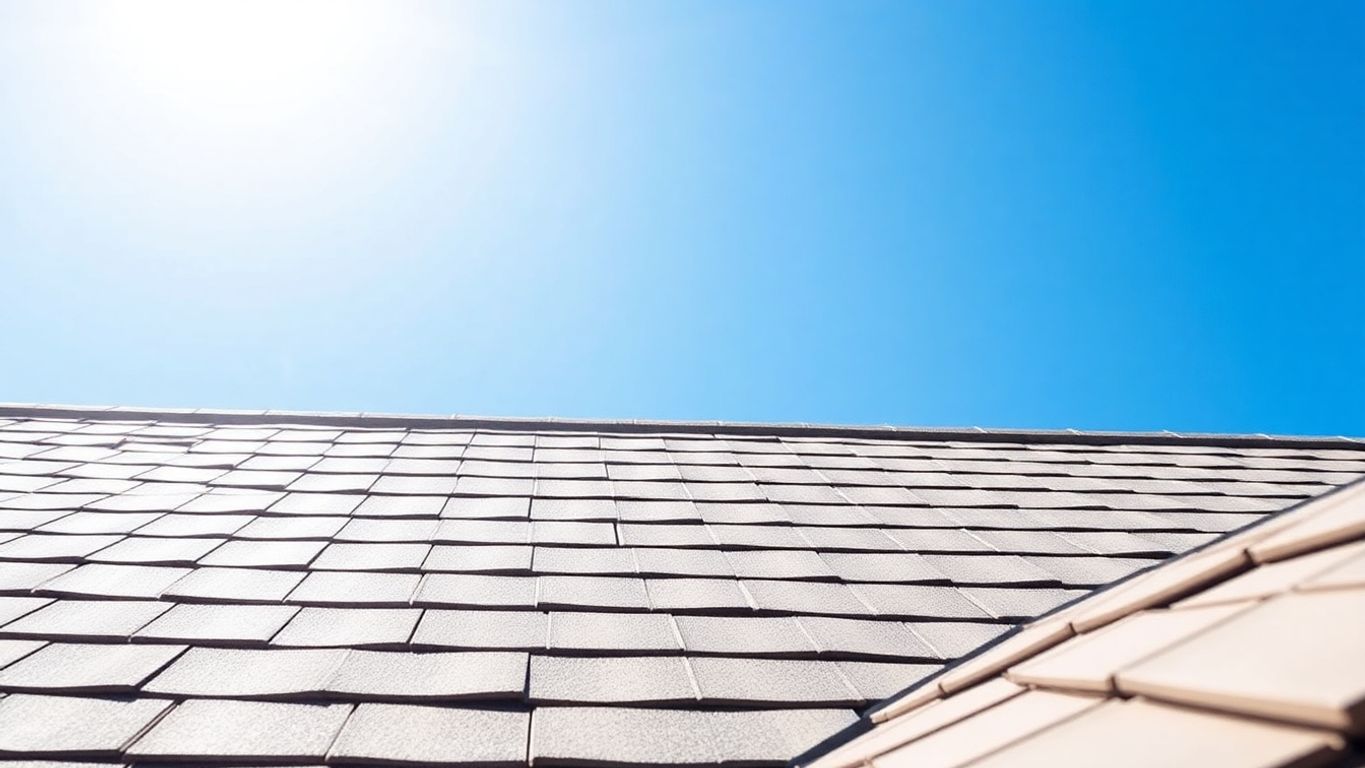
When it comes to keeping your roof looking its best and functioning properly, the methods we use are just as important as the cleaning itself. We want to make sure we're not just cleaning, but also protecting your shingles from any potential harm. That's why we always lean towards the gentler, more effective techniques.
The Soft Wash Approach
We find that the soft wash method is usually the best way to go for most roofs. It's a low-pressure cleaning technique that uses specialized cleaning solutions. These solutions are designed to break down and eliminate things like algae, moss, and mildew without blasting your shingles with high-pressure water. Think of it like using a targeted cleaner for a delicate surface – it gets the job done without causing any damage. This approach is particularly good because it kills the organic growth at its roots, preventing it from coming back too quickly. It’s a much safer alternative to aggressive cleaning methods and is ideal for preserving the integrity of your roof.
Avoiding High-Pressure Damage
We can't stress this enough: avoid high-pressure washing on your roof. Seriously, it can cause a lot of problems. Using too much pressure can strip away the protective granules from your shingles, which is like removing the shingles' natural defense system. This can lead to premature aging and even void your roof's warranty. We've seen firsthand how this can shorten a roof's lifespan. Instead, we focus on methods that are effective but gentle. For instance, using specialized equipment like the Ionic Roof Wand™ allows us to clean from the ground, which is safer for us and better for your roof. It uses high-speed rotating turbo nozzles, but at a controlled pressure that won't harm your shingles. It’s all about using the right tools for the job to get a great clean without the risk of damage.
It's always better to be safe than sorry when it comes to your roof. We prioritize methods that are proven to be effective while also being gentle on your shingles. This ensures your roof stays protected and looks great for years to come.
Maintaining Your Roof's Longevity
Keeping your roof in good shape is all about regular care. We want to make sure our homes are protected, and that starts with the roof. Think of it like any other part of your house that needs attention; neglecting it can lead to bigger problems down the road.
Frequency of Roof Shingle Cleaning
So, how often should we be thinking about cleaning our roof shingles? For most homes, a good cleaning every two to four years is usually enough. However, if you live in a place that’s pretty damp or has a lot of trees providing shade, you might need to clean them more often, maybe even annually. Areas with lots of moss or algae growth will definitely need more frequent attention. It’s really about what your roof is exposed to.
Essential Equipment for Roof Shingle Cleaning
When it comes to cleaning roof shingles, using the right tools makes all the difference. We always recommend a soft wash approach. This means using low-pressure water combined with specialized cleaning solutions. These solutions are designed to break down and remove the organic growth like algae, moss, and mildew without damaging the shingles themselves. High-pressure washing can strip away the protective granules from your shingles, which is something we definitely want to avoid. So, think gentle but effective. We use equipment like:
- Low-pressure sprayers for applying cleaning solutions.
- Telescopic poles and specialized nozzles to reach all areas safely from the ground.
- Biodegradable cleaning agents that are tough on grime but gentle on your roof and the environment.
- Safety gear, of course, because working on roofs, even from the ground, requires caution.
Taking care of your roof isn't just about making it look good; it's about protecting the whole structure of your home. Regular, gentle cleaning with the right equipment can significantly extend the life of your shingles and prevent costly repairs later on.
Keeping your roof in good shape is super important. Regular check-ups can help you spot small problems before they become big, costly ones. Want to learn more about how to make your roof last longer? Visit our website for tips and advice!
Keep Your Property Looking Its Best
So, we've covered a lot about keeping your roof shingles clean and in good shape. It’s clear that regular maintenance, like cleaning, really does make a difference in how long your roof lasts and how good your whole house looks. We’ve talked about why it’s important, the best ways to do it safely, and what signs to look for that tell you it’s time for a clean. Remember, taking care of your roof isn’t just about looks; it’s about protecting your home and your investment for years to come. If you’re looking for the right tools to get the job done safely and effectively, companies like Clean Direct have the systems and equipment you need to tackle roof cleaning, along with other essential property maintenance tasks like gutter and window cleaning.
Frequently Asked Questions
How often do we need to clean our roof shingles?
We typically suggest cleaning your roof every two to four years. However, if you live in a damp or shady area where moss and algae grow quickly, you might need to clean it more often, maybe once a year. Keeping an eye on your roof for signs of growth or discoloration will help you decide.
What's the best way to clean roof shingles?
The best method is usually 'soft washing.' This uses a special cleaning solution applied at low pressure. It's really good at killing off moss, algae, and mold without harming your shingles. We always avoid using high-pressure washers because they can damage the shingles and even void your roof's warranty.
What signs tell us our roof needs cleaning?
We look for a few key signs. Black streaks on the roof are usually algae. Green patches often mean moss is growing. If your gutters are full of debris from the roof, or if you just notice the roof looks generally dirty or discolored, it's probably time for a cleaning. Sometimes, a dirty roof can even make your home less energy-efficient because dark stains absorb more heat.
Share


