


Top Tips for Cleaning Hard Floor Surfaces: A Complete Guide for Homeowners
Cleaning hard floor surfaces is something we all have to tackle, and honestly, it can feel like a never-ending job. Whether we're dealing with muddy shoes, pet messes, or just the daily dust that seems to appear out of nowhere, keeping our floors in good shape makes a big difference in how our homes look and feel. In this guide, we're breaking down the best ways to clean all sorts of hard floor surfaces, from vinyl to terrazzo. No fancy language, just simple tips that actually work for real life.
Key Takeaways
- Different types of hard floor surfaces need different cleaning approaches—what works for tile might not be right for hardwood.
- Regular cleaning helps floors last longer and keeps our homes looking tidy without much extra effort.
- Using the right tools and products for each floor type makes cleaning faster and prevents damage.
1. Vinyl Flooring
Vinyl flooring is a favorite in many homes because it's resilient, budget-friendly, and comes in so many styles. But just because it's tough doesn't mean we can ignore it—vinyl needs regular care to keep it looking sharp for years. If we treat vinyl right, it stays shiny and free from stains or dull patches.
Here’s how we make sure our vinyl floors always look their best:
- Start with a quick sweep or vacuum every few days to remove any dirt and grit—those tiny bits can actually scratch the surface over time.
- Mop using warm water and a mild, pH-neutral cleaner. We avoid harsh chemicals and anything too abrasive, since strong products can strip away the protective layer and leave the floor dull.
- Wipe up spills as soon as they happen. Vinyl is water-resistant, but if liquid sits for a long time, it might seep into seams or under the edges.
- Place doormats at entrances to catch debris before it even hits the floor—this simple step cuts down on how much dirt we track across the house.
For stubborn spots, a soft cloth dampened with the recommended cleaner will do the job—just don’t scrub too hard or use steel wool; it’s not worth risking scratches!
Routine care is pretty simple, and it helps us avoid the bigger headaches that come from neglect or damage. With the right cleaning habits, vinyl floors stay bright and welcoming, no matter how much we walk on them.
2. Hardwood Flooring
When it comes to caring for hardwood floors, a gentle approach goes a long way. Hardwood may look tough, but it needs the right cleaning habits to keep its natural beauty intact. If we want to avoid issues like dull spots, scratches, or warped planks, a little routine attention really pays off.
Here’s what we recommend for ongoing care:
- Sweep or dust mop daily to remove grit and dust that can scratch the surface
- Use a damp (not wet) microfiber mop for weekly cleaning—excess water is hardwood’s enemy
- Clean up spills as soon as possible to prevent stains and warping
- Place felt pads under furniture legs to avoid scratching
- Rotate rugs occasionally to keep sunlight from unevenly fading wood
If we’re working with an oiled or waxed finish, a specialized cleaner is helpful, but it’s important to avoid harsh chemicals or abrasive pads on any hardwood. For most floors, gentle, pH-neutral cleaners do the trick. When in doubt, less is more. A little care beats aggressive scrubbing every time.
Dry, gritty debris is often the main reason hardwood looks scratched and worn before its time. Keeping a regular sweeping schedule really makes a difference.
Let’s remember: hardwood lasts generations if we treat it with respect—and the right cleaning methods make that possible.
3. Tile Flooring
Tile floors are everywhere—from the kitchen to the mudroom—and for good reason. They're tough, easy to wipe, and don’t hold odors the way carpet does. But, if we want to keep that smooth surface looking its best, we need a consistent cleaning routine that actually works. Tile floors need special attention, especially in grout lines, which can trap grit and spills before we know it.
Here’s our step-by-step approach to getting tile floors truly clean:
- Start with a dry sweep or vacuum: Get rid of crumbs, pet hair, and dust. We like to run the vacuum along the edges and in corners where messes hide.
- Tackle stains and sticky spots: A little soapy water on a microfiber cloth works well for most messes. Grease or food spills in the kitchen can take a bit more effort.
- Mop using a damp—not soaking—mop: Too much water can seep into the grout and weaken it over time. We use just enough moisture to lift dirt but not so much that tiles stay wet for long.
- Don’t forget the grout: Dirt loves to settle here. A dedicated tile or grout brush can help, but for stubborn dirt and gum, we sometimes need a more specialized tool.
Grout lines will darken and grow dingy way faster than the tile surface, so we have to check them regularly and give them extra care when needed.
If we ever notice spots that just don’t budge—especially gum or sticky debris—a gum removal machine is a hardworking option. Machines like those shown in specialized gum removal machines can make quick work of even tough, stuck-on residues without harming the tile or grout.
The key with tile is regular attention. A simple, repeatable process goes a long way, and spot cleaning as soon as something spills helps keep stains from setting for good. And honestly, once we get into the habit, tile floors really don’t demand much—we just have to stick with it.
4. Laminate Flooring
Laminate flooring has become an incredibly popular option for its realistic look and durability, but moisture is its biggest enemy. The trick to keeping laminate floors looking their best is to avoid water damage while still removing everyday dirt and scuffs. Here’s how we recommend getting it done:
- Start by sweeping with a soft-bristle broom or use a dry microfiber dust mop to pick up loose bits — grit and crumbs can cause scratches if ignored.
- For deeper cleaning, go over the surface with a slightly damp (not wet!) microfiber mop. Wring it out well so there’s no standing water.
- Spot-clean sticky messes with a damp cloth. For stubborn stains, a little diluted mild detergent will do, but rinse the spot right away with a clean, barely damp towel.
- Never use abrasive scourers, steam cleaners, or wax on laminate. These can damage the surface and ruin the finish.
- Place doormats at entryways to catch dirt before it makes its way inside. Felt pads under furniture legs are also a smart move to prevent scuffs.
Even high-quality laminate can warp if water is left to pool—so if there’s a spill, get to it quickly and dry the area thoroughly.
We’ve found that using professional-grade, eco-friendly cleaning agents, like those offered by Clean Direct’s cleaning products, means we can safely cut through grease and buildup without risking floor damage. This helps laminate floors stay clean, streak-free, and looking almost new without introducing harsh chemicals. Keeping to a regular routine really does make the job simple and hassle-free.
5. Stone Flooring
Stone floors bring serious character to a home, but they do need special attention to keep them both beautiful and long-lasting. Not all stone is created equal—what works for marble might ruin slate.
When caring for stone flooring, here’s our basic approach:
- Sweep or vacuum regularly. Grit and sand can scratch the surface, sometimes more than you’d think. Keeping dust and dirt off is half the battle.
- Use a damp mop—not a soaking wet one. Stone is porous, and too much water can leave stains or create issues under the surface. Warm water works well for most types, but always check if your particular stone has special needs.
- Mild cleaners are key. Avoid anything acidic (like vinegar) unless you know it’s safe for your material. Acids can etch and dull stone, especially with marble or limestone.
- Blot spills right away. Stone stains quickly—coffee, wine, or oil can become permanent before you blink.
- Consider sealing your floors periodically. This helps protect from staining, especially on porous varieties like travertine or slate. Frequency can depend on your stone and use, so look for changes in how water beads on the surface as a clue.
If we're dealing with tough marks or sticky residue, a targeted spot cleaner designed for stone is the safest bet. For gum or stubborn grime, a specialized tool (like a portable gum removal system) helps get the mess out without scratching or damaging the stone surface at all.
Good habits—quick clean-ups, gentle cleaners, and regular maintenance—go a long way to keeping stone floors looking their best for years.
6. Concrete Flooring
Concrete floors are tough, but they still need some regular care to look good and last. Whether it’s a garage, basement, patio, or workspace, we find that a good routine keeps concrete clean and stops stains from becoming permanent eyesores. The right tools and habits make concrete floor maintenance surprisingly simple.
Here’s the basic routine we follow for cleaning concrete flooring:
- Sweep or vacuum often to remove loose dirt and grit. This prevents scratches and makes the next steps more effective.
- Spot clean spills right away. Oil, paint, or rust can stain fast, so the sooner we deal with them, the better. Use a mop or a cloth and a gentle cleaning agent for stubborn spots.
- Deep clean with a surface cleaner when regular dusting isn’t enough, especially for outdoor concrete. Pressure washers with flat surface cleaners help lift oils, algae, and grime. Indoors, rotary floor cleaning heads are gentler while still reaching the dirt in pores and textured surfaces.
- Let it dry fully. This is extra important with basement or garage floors to prevent damp smells or future mold issues.
Some extra tips we stick to:
- For really stained spots, we might pre-treat with a degreaser before pressure washing — but always make sure the floor is sealed or test in a small area first.
- We avoid harsh acids or wire brushes. Both can damage the smooth finish and make concrete look worse over time.
- If our concrete is sealed or painted, we use milder cleaners and avoid high-pressure tools.
We’ve found that staying on top of regular dusting and deep cleaning once in a while keeps our concrete looking its best and makes cleaning day a lot less of a hassle.
If you’re dealing with gum or sticky mess, specialty tools like gum removal machines break it up quickly and cleanly without risk of chipping the surface. For large areas (like driveways or patios), investing in the right equipment saves us hours and helps prevent patchy results.
Keeping concrete floors clean isn’t complicated—it just takes regular attention, the right method, and a little bit of patience with stubborn spots.
7. Linoleum Flooring
Linoleum floors are known for their resilience and eco-friendly makeup, but they do have some quirks when it comes to cleaning. The secret to keeping linoleum looking bright and fresh over time is a consistent, gentle routine—not harsh chemicals or soaking wet mops.
Here’s how we like to tackle routine cleaning and stubborn marks without damaging the floor:
- Sweep or vacuum often to keep dirt and grit off the surface, since debris can scratch and dull that classic linoleum sheen.
- Stick with a damp (not soaking) mop and a mild, pH-balanced floor cleaner. Too much water can seep into seams and cause the floors to warp.
- Tackle sticky spots or scuffs with a soft cloth or non-abrasive sponge. For the toughest stains, a mix of warm water and a bit of gentle detergent usually does the trick.
- For extra shine, buff the floor with a dry microfiber cloth once it’s clean and dry—linoleum responds really well to this little bit of attention.
- Avoid any harsh solvents, oil-based cleaners, or abrasive pads as these can leave permanent damage or discoloration.
We’ve learned that regular care keeps linoleum looking its best and avoids the need for more drastic measures down the road. If moisture ever spills, dry it up quickly to protect the integrity of the floor’s surface.
With linoleum, gentle persistence always beats aggressive scrubbing. It’s a reliable, long-lasting choice for busy homes—as long as we give it the care it deserves.
8. Bamboo Flooring
Bamboo flooring is a stylish and eco-friendly choice, but keeping it spotless and healthy needs some special attention. Because bamboo is technically a grass rather than hardwood, it’s more moisture-sensitive and softer than you might think.
We want our bamboo floors looking their best for years to come, so it’s important to treat them with care. Here’s what’s worked for us:
- Sweep or use a vacuum with a soft floor attachment several times a week. This keeps dirt and grit from scratching the surface.
- Mop only with a barely damp microfiber mop. Too much water is the enemy! Never use a soaking wet mop—bamboo can warp or discolor quickly.
- Wipe up spills right away so moisture never has time to seep in. Bamboo, like so many natural materials, doesn’t forgive lingering liquid.
- Avoid harsh cleaners or abrasive tools—these can dull the finish or even leave permanent marks.
- Use rugs or mats in high-traffic zones and at entryways. This prevents grit, sand or little stones from getting crushed into the bamboo.
With bamboo flooring, less is more. Gentle cleaning and fast action when something spills keep it looking fresh and bright. A regular routine with mostly dry tools is all it takes—no need to overdo it.
Remember, proper humidity in the home is also key; try to keep indoor air between 40%–60% relative humidity if possible. If you see any dullness, a professional refinishing (done the right way for bamboo) can revive the look without risking damage.
9. Cork Flooring
Cork flooring brings warmth and comfort to our homes, but it has its own set of cleaning needs that we really need to respect. Because cork is an organic, slightly porous material, keeping it in top shape means a gentler approach compared to harder floors like tile or concrete. Frequent light cleaning goes a long way to protecting the look and feel of cork floors. Let’s get into some specifics:
- Sweep or vacuum several times a week with a soft brush or a vacuum that won’t scratch—the goal is to keep dirt and grit from wearing down the surface.
- Damp mop sparingly using a well-wrung mop. Too much water is bad news; cork absorbs moisture, which can cause it to swell or discolor.
- Stick to pH-neutral cleaners made for natural flooring. Steer clear of harsh detergents or anything abrasive, as these really take a toll on the floor’s finish—and on your peace of mind.
- Immediately blot up spills. Don’t let moisture linger, as it can seep into seams or cracks.
- Place mats at doors and in high-traffic spots to catch dirt and reduce wear.
- Consider using furniture pads under chairs and heavy pieces—cork can dent if it’s put under too much weight for a long period.
Cork flooring wears its history over time, but careful cleaning helps keep it looking fresh without losing its natural charm.
Sometimes, for more delicate cleanups—think dust in corners—a tool with gentle natural bristles, like the Mosmatic 29.064 Brush Head, does the job without scratching the cork surface. It’s a smart addition to the cleaning kit if we want to be extra cautious with sensitive or textured areas.
Regular, light care keeps cork flooring looking great and feeling cozy under our feet, year after year.
10. Terrazzo Flooring
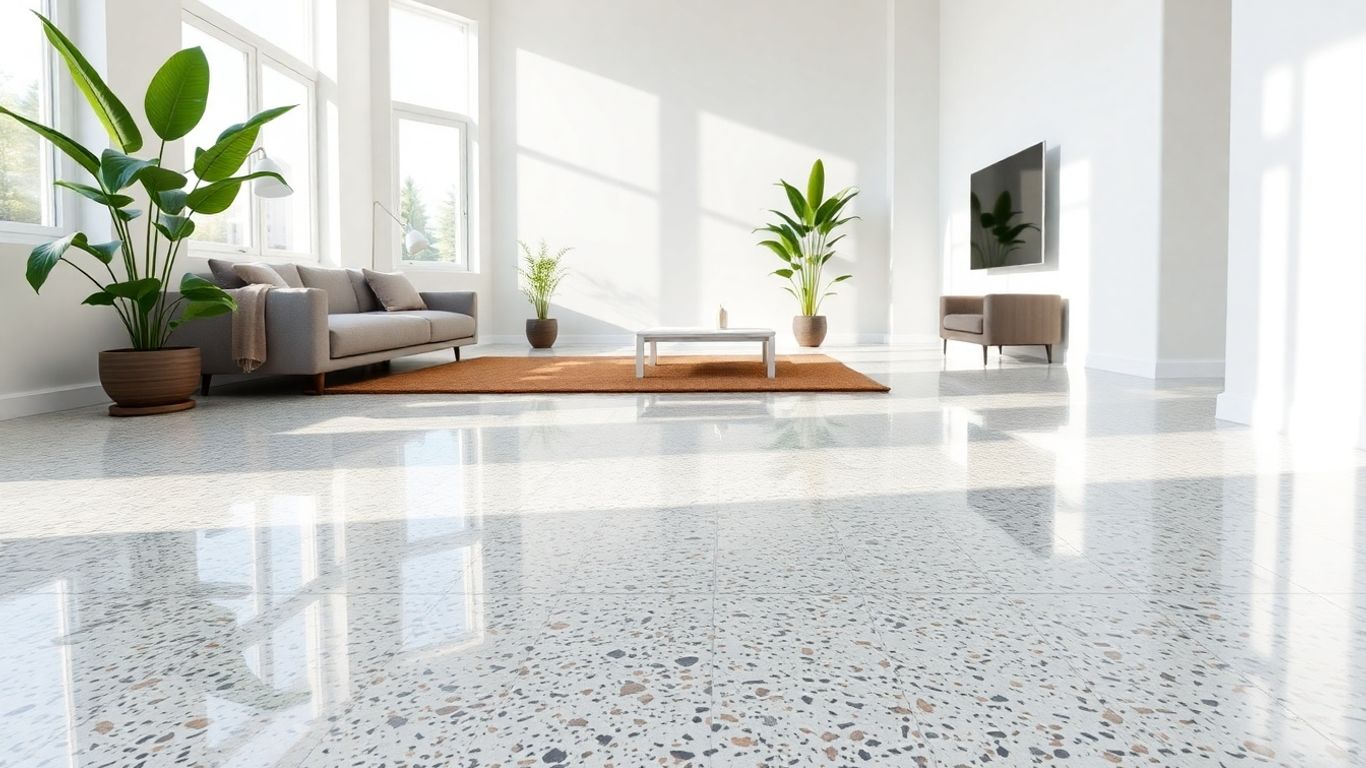
Terrazzo floors really brighten a space, but they do need a little extra attention to keep them looking sharp. Because of their unique blend of marble chips and resin or cement, terrazzo surfaces are strong, but they can be sensitive to certain cleaning methods. If we treat them well, they can last for decades with that nice glossy finish we all love.
Here's our go-to routine for terrazzo care:
- Sweep or dust mop daily to clear away grit that could lead to scratches. Fine sand or dirt is surprisingly tough on terrazzo.
- Mop with warm water and a pH-neutral cleaner—never anything acidic or alkaline, as those can break down the binder and dull the shine over time.
- Wipe up spills quickly, especially anything acidic (like juice or vinegar), to avoid stubborn stains. Terrazzo might look indestructible, but it's not immune to etching.
- For extra shine, we sometimes use a microfiber pad or buffing machine on a low setting. Just don't go too aggressive—gentle is best.
- Skip waxes or sealers unless the manufacturer recommends them for your particular floor.
If we notice hazy spots or a general loss of shine, it might be time for professional polishing. Keeping shoes clean at doorways really helps cut down on grit, too.
Regular gentle cleaning keeps terrazzo looking stunning, without any fancy extras. It’s all about the basics: sweep, mop, protect, and enjoy that sparkle!
Terrazzo flooring is a great choice if you want something strong and stylish. It's easy to clean and looks good in homes or schools. For help with terrazzo care, visit our website to find products made for this type of floor.
Wrapping Up: Keeping Hard Floors Clean Made Simple
So, that's our take on cleaning hard floor surfaces. We know it can feel like a chore, but with the right tools and a bit of routine, it really doesn't have to be a headache. Whether we're dealing with muddy footprints in the hallway, sticky kitchen spills, or just the usual dust that seems to show up out of nowhere, a little regular care goes a long way. We've found that matching the right cleaning method to the type of floor makes all the difference—no more wasted time or streaky finishes. And honestly, seeing a clean floor at the end of the day just feels good. If you ever need a hand picking out the right equipment or want some advice, Clean Direct is always here to help. Let's keep our spaces looking their best, one sweep at a time.
Frequently Asked Questions
How often should we clean our hard floor surfaces?
We recommend cleaning hard floor surfaces at least once a week to keep dirt and grime from building up. For high-traffic areas, like kitchens or hallways, we may need to clean them more often. Regular cleaning helps our floors last longer and look their best.
What cleaning products are safe for all types of hard floors?
We should always check the type of floor we have before choosing a cleaner. For most hard floors, using a mild soap or a cleaner made for that specific surface is safest. Avoid harsh chemicals or abrasive cleaners, as they can damage some floors like hardwood, bamboo, or cork. Always test a small spot first if we're unsure.
Can we use a steam mop on any hard floor surface?
Not all hard floors can handle steam mops. While steam mops work well on sealed tile and some vinyl, they can harm hardwood, laminate, bamboo, and cork floors by letting in too much moisture. We should check the floor’s care instructions before using a steam mop and stick to dry or damp mopping for sensitive floors.
Share


