


Essential Strategies for Effective Combustible Dust Collection
We all know that dust can be a real nuisance, but when it comes to certain materials, it's more than just messy – it's a serious safety risk. Combustible dust, as we've learned, is fine particulate matter that can ignite or explode under the right conditions. In our line of work, managing this type of dust is absolutely critical. We need to be smart about how we clean and what equipment we use to keep our workplaces safe and compliant. Let's talk about some effective ways we can tackle this challenge.
Key Takeaways
- Combustible dust is any fine particle that can ignite or explode, often accumulating in hard-to-reach areas like overhead spaces, machinery, and ventilation systems.
- Regular cleaning and the use of appropriate dust collection equipment are vital for preventing dust fires and explosions, keeping our environments safe and compliant with regulations.
- Specialized tools like high dusting systems and industrial vacuum cleaners are necessary for effectively managing combustible dust in overhead areas and other difficult spots.
Understanding Combustible Dust Collection
When we talk about combustible dust, we're referring to very fine particles of certain materials that, when suspended in the air in the right concentration, can ignite and cause a fire or even an explosion. It's a hazard that pops up in a lot of different workplaces, from woodworking shops to food processing plants and metal fabrication facilities.
What Constitutes Combustible Dust?
Basically, if a material can burn, its fine dust particles can become combustible. This includes a wide range of common substances:
- Organic materials: Think wood dust, flour, sugar, starch, and even some agricultural products.
- Metals: Finely divided metals like aluminum, magnesium, and titanium are highly flammable.
- Plastics and synthetic materials: Many polymers and synthetic fibers can create combustible dust.
- Other solids: Coal, carbon black, and certain pharmaceuticals also fall into this category.
The key factor is particle size; the smaller and more dispersed the particles, the greater the risk. When these fine particles become airborne, they have a much larger surface area exposed, making them easier to ignite.
It's important to remember that even materials not typically thought of as flammable can become a serious hazard when reduced to a fine dust. The conditions under which the dust is generated and handled play a significant role in its combustibility.
Where Combustible Dust Accumulates
Combustible dust doesn't just float around forever; it settles. And unfortunately, it often settles in places that are hard to reach and easy to overlook during routine cleaning. We commonly find these dangerous accumulations in:
- Overhead areas: This includes ceiling beams, rafters, light fixtures, and the tops of machinery and equipment.
- Inside ventilation systems: Dust can build up within HVAC ducts, vents, and air handling units.
- Behind and under equipment: Hard-to-access spaces around and beneath machinery are prime spots for dust collection.
- On ledges and pipes: Horizontal surfaces like pipes, conduits, and shelving can become coated with dust over time.
These hidden pockets of dust are particularly concerning because they can go unnoticed for extended periods, allowing significant quantities to build up, increasing the potential severity of an incident.
Essential Strategies for Combustible Dust Control
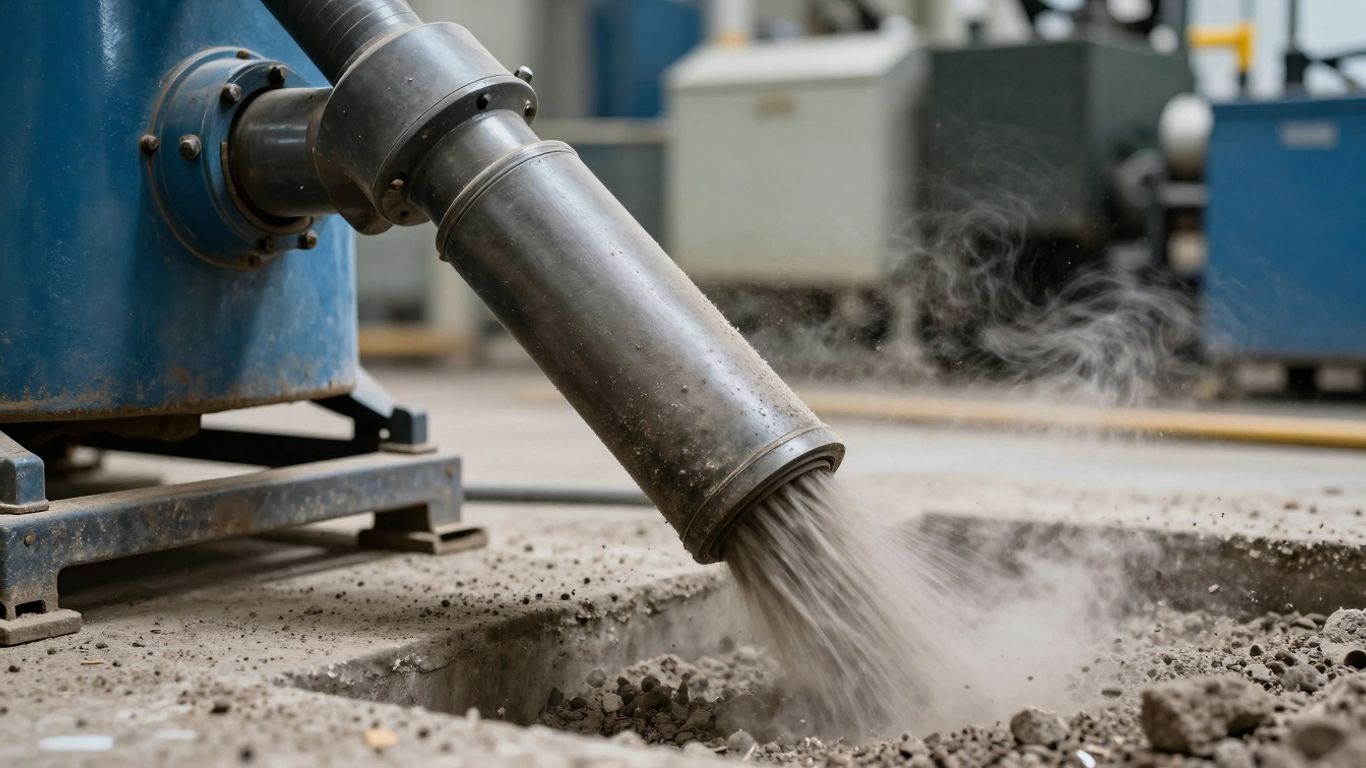
When we talk about keeping our workplaces safe, especially from the risks of combustible dust, we need to focus on a couple of key areas. It's not just about having the right equipment; it's about how we use it and how often we use it. We've found that a proactive approach makes all the difference.
The Importance of Regular Cleaning
We can't stress this enough: consistent cleaning is the bedrock of combustible dust control. Dust doesn't just disappear on its own, and letting it build up in those hard-to-reach spots is a recipe for trouble. Think about it – dust particles, especially when they become airborne, can easily ignite with a spark or heat source, leading to serious fires or even explosions. Regular cleaning isn't just about tidiness; it's a critical safety measure.
Here’s why we make it a priority:
- Preventing Ignition Sources: By removing dust from surfaces, we eliminate potential fuel for fires and explosions.
- Improving Air Quality: Less dust in the air means a healthier environment for everyone working in the space.
- Maintaining Equipment: Dust buildup can interfere with machinery, leading to breakdowns and costly repairs.
- Compliance: Staying on top of dust removal helps meet safety regulations, avoiding potential fines.
We've learned that a little bit of consistent effort goes a long way. Scheduling regular cleaning sessions, even for those high, out-of-the-way places, is far more effective than waiting for a major cleanup.
Selecting Appropriate Dust Collection Equipment
Choosing the right tools for the job is just as vital as the cleaning itself. Not all vacuums are created equal, especially when dealing with combustible dust. We need equipment that is specifically designed for this purpose, offering powerful suction and, importantly, safety features.
When we look for dust collection equipment, we consider:
- Filtration Systems: High-efficiency particulate air (HEPA) filters are a must. They capture the fine dust particles that can easily become airborne and pose a hazard. For environments with a higher risk of explosion, explosion-proof (XP) rated vacuums are necessary.
- Suction Power: Strong suction is needed to effectively lift dust from surfaces, especially from crevices and overhead areas. Equipment from brands like Nilfisk and Prestivac are known for their robust performance in these applications.
- Durability and Design: Industrial-grade equipment is built to withstand demanding use. We look for tools that are easy to maneuver and maintain, making the cleaning process more efficient and less of a chore.
Using the correct equipment means we can tackle dust accumulation safely and effectively, protecting our facilities and our people.
Advanced Solutions for Combustible Dust Management
High Dusting Systems for Overhead Areas
We know that combustible dust loves to settle in those hard-to-reach spots, like the tops of machinery, ceiling beams, and light fixtures. These areas are often missed during routine cleaning, creating a hidden hazard. That's where specialized high dusting systems come into play. We use lightweight, extendable poles, often made from carbon fiber, that allow us to clean these elevated surfaces safely from the ground. This means no more risky ladder climbs or expensive lifts. These systems are designed to connect directly to powerful vacuums, so as we dislodge the dust, it's immediately captured. This prevents it from becoming airborne and creating an explosion risk.
It's important to remember that dust doesn't just sit there; it can be easily stirred up by air currents or even slight vibrations. Proactive cleaning of these high areas is key to preventing a dangerous buildup.
When selecting equipment for high dusting, we look for a few key features:
- Reach: Poles that extend significantly, often up to 40 feet, to cover all overhead areas.
- Compatibility: The ability to connect to industrial-grade vacuums, preferably with HEPA filtration, to capture fine dust particles effectively.
- Tooling: A variety of attachments, like specialized brushes and vacuum heads, designed to get into corners, along pipes, and around fixtures.
Integrating Specialized Vacuum Systems
Beyond just high dusting, integrating specialized vacuum systems is a core part of our strategy for managing combustible dust. We're talking about vacuums designed specifically for hazardous environments, often featuring explosion-proof construction. These aren't your average shop vacs; they're built with robust filtration systems, like HEPA filters, to capture even the finest dust particles that could otherwise become airborne and fuel an explosion. We also consider vacuums with large capacities to handle significant amounts of dust without frequent emptying, which is especially useful in industrial settings.
When we integrate these systems, we consider:
- Filtration: Using vacuums with multi-stage filtration, including HEPA, to trap fine dust.
- Construction: Opting for explosion-proof or intrinsically safe models where the risk of ignition is high.
- Capacity and Power: Selecting units that can handle the volume of dust generated and maintain strong suction for effective cleaning.
Keeping your workplace safe from combustible dust is super important. Want to learn more about keeping your facility safe and up to code? Visit our website today for more tips and resources!
Moving Forward with Dust Control
We've covered a lot about why combustible dust is such a big deal and how to deal with it. It's not just about keeping things tidy; it's about safety for everyone in the workplace and keeping operations running smoothly. By using the right tools and methods, like those from Clean Direct, we can make sure those hard-to-reach places don't become hazards. Taking these steps means we're all doing our part to create a safer environment. Let's keep these practices in mind for a cleaner, safer future.
Share


