

Mastering Combustible Dust Cleaning: Safety and Compliance Strategies
We all know that dust can be a nuisance, but when it comes to certain materials, it can also be a serious danger. Combustible dust cleaning is more than just tidying up; it's about safety and following the rules. We need to understand what makes dust dangerous and how to get rid of it properly. This involves knowing where dust likes to hide and having the right gear to clean it up without causing more problems.
Key Takeaways
- Combustible dust, made from fine particles of materials like wood, metal, or food, poses a fire and explosion risk when airborne. Identifying and cleaning common dust accumulation zones, such as overhead areas and machinery, is vital.
- Effective combustible dust cleaning requires the right equipment, like specialized vacuums and high-reach tools, and following best practices for overhead cleaning to avoid creating dust clouds or ignition sources.
- Meeting regulatory requirements for dust management and using appropriate personal protective equipment (PPE) are critical steps in ensuring a safe working environment and compliance.
Understanding Combustible Dust Hazards
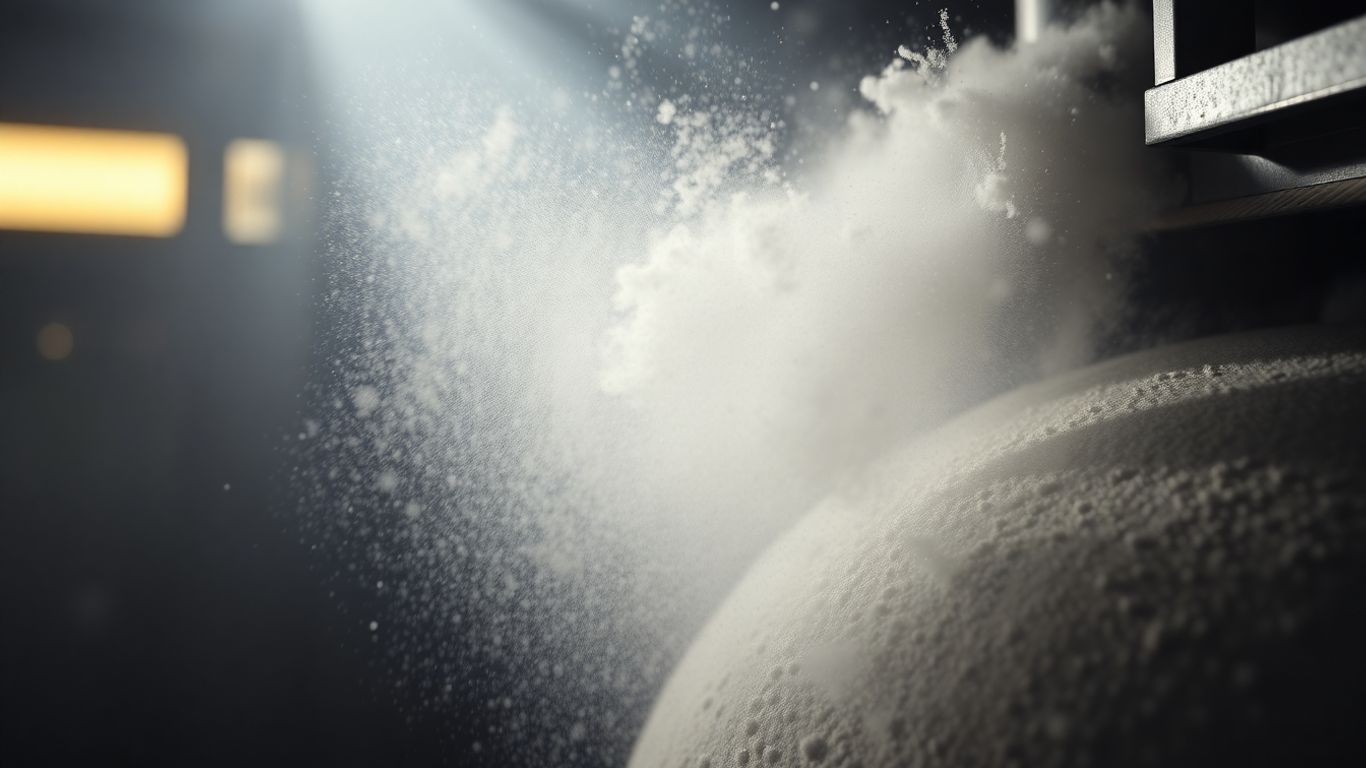
We all know that dust can be a nuisance, but in certain environments, it's much more than that. We're talking about combustible dust, a serious safety concern that can lead to fires and explosions if not managed properly.
What Constitutes Combustible Dust
Combustible dust is essentially any fine particulate matter that, when suspended in the air in a sufficient concentration and exposed to an ignition source, can burn or explode. Think of it as a finely ground version of materials that normally wouldn't be considered flammable.
Common sources we encounter include:
- Organic materials like wood dust, flour, sugar, and starch.
- Metals such as aluminum and magnesium powders.
- Synthetic materials like plastics and certain chemical powders.
- Textile fibers and other fine particulates from manufacturing processes.
The danger lies in the increased surface area of these fine particles, which allows them to ignite much more readily than their larger counterparts. When these particles become airborne, they create a fuel source that can spread rapidly.
It's important to remember that even materials we consider safe in bulk form can become hazardous when reduced to a fine dust. The key factors are particle size, concentration in the air, and the presence of an ignition source.
Identifying Common Dust Accumulation Zones
Dust doesn't just settle on the floor; it tends to accumulate in places that are often overlooked during routine cleaning. Identifying these areas is the first step in preventing a hazardous situation.
We frequently find significant dust buildup in:
- Overhead areas: This includes ceiling beams, rafters, ductwork, ventilation systems, light fixtures, and the tops of machinery. Air currents and the natural tendency for fine particles to rise mean these spots are prime locations for dust to collect.
- Equipment and machinery: Dust can settle on motors, electrical components, and other parts of equipment, creating a fire risk, especially if the equipment generates heat.
- Hidden corners and ledges: Shelving units, pipework, conduits, and the upper edges of walls can become repositories for dust over time.
- Storage areas: Pallets, stacked materials, and less-frequented storage zones can harbor considerable amounts of dust.
Regular inspection of these zones is vital. We need to be proactive in our cleaning efforts to address these potential hazards before they become serious problems.
Implementing Effective Combustible Dust Cleaning Strategies
When it comes to managing combustible dust, simply having a cleaning plan isn't enough. We need to make sure our strategies are effective and, most importantly, safe. This means picking the right tools for the job and knowing how to use them, especially when dealing with those hard-to-reach spots.
Selecting Appropriate Cleaning Equipment
Choosing the correct equipment is the first step in tackling combustible dust. We can't just use any old vacuum or broom; we need tools designed for the task. For general cleaning, industrial-grade vacuums are a must. Look for models with strong suction and durable construction. If you're working in areas where static electricity could be a concern, consider vacuums with anti-static features.
For fine dust particles, especially those that can become airborne, HEPA-filtered vacuums are highly recommended. These systems trap even the smallest particles, preventing them from recirculating into the air or settling back down. Brands like Nilfisk and Prestivac offer robust vacuum systems that are well-suited for these demanding applications.
Best Practices for High Dusting and Overhead Cleaning
Dust has a way of accumulating in the highest, most out-of-the-way places – think ceiling beams, rafters, light fixtures, and ductwork. These areas are often overlooked but can be significant sources of combustible dust. This is where high dusting equipment comes into play.
We can use lightweight, extendable poles made from materials like carbon fiber. These poles allow us to reach heights of up to 40 feet safely from the ground, eliminating the need for ladders or lifts. Attachments like specialized brushes, microfiber sleeves, and vacuum heads can be fitted to these poles.
Here are some key practices for effective overhead cleaning:
- Work Top-Down: Always start cleaning from the highest points and work your way down. This prevents dust from falling onto already cleaned surfaces.
- Use Vacuum-Assisted Tools: Whenever possible, pair your high dusting poles with a HEPA-filtered vacuum. This captures the dust as it's dislodged, minimizing airborne particles.
- Regular Maintenance: Clean your poles, attachments, and vacuum filters regularly. This ensures optimal performance and longevity of your equipment.
- Inspect and Verify: After cleaning, take a moment to inspect the areas. For particularly difficult spots, consider using inspection mirrors or camera attachments to confirm cleanliness.
Dealing with combustible dust requires a proactive approach. It's not just about cleaning up visible dust; it's about preventing its accumulation in the first place, especially in those hidden overhead areas where it can pose the greatest risk. Investing in the right equipment and training our teams on proper techniques are vital steps in maintaining a safe working environment.
Ensuring Safety and Compliance
When we talk about cleaning combustible dust, safety and following the rules are just as important as the cleaning itself. We need to make sure we're not just cleaning effectively, but also protecting ourselves and others, and staying on the right side of regulations. It’s about being smart and responsible.
Regulatory Requirements for Dust Management
Several organizations set the standards for how we should handle combustible dust. The Occupational Safety and Health Administration (OSHA) is a big one, focusing on worker safety. They have general duty clauses that require employers to provide a workplace free from recognized hazards, which includes combustible dust. The National Fire Protection Association (NFPA) also provides important guidelines, particularly NFPA 652, the Standard on Combustible Dust, and NFPA 654, the Standard for the Prevention of Fire and Dust Explosions from the Manufacturing, Processing, and Handling of Combustible Particulate Solids. These standards outline best practices for dust control, housekeeping, and hazard assessment.
- Conduct regular dust hazard analyses (DHAs) to identify where combustible dust might be present and assess the risks.
- Implement a robust housekeeping program to prevent dust accumulation.
- Ensure proper ventilation and dust collection systems are in place and maintained.
- Train employees on the hazards of combustible dust and safe work practices.
Staying up-to-date with these requirements isn't just about avoiding fines; it's about creating a genuinely safer working environment for everyone involved. We need to treat these guidelines as a roadmap for best practices.
Personal Protective Equipment for Dust Cleaning
Wearing the right gear is non-negotiable when we're dealing with combustible dust. The goal is to prevent dust from entering our bodies and to protect our skin and eyes from irritation or injury. The specific PPE needed can vary based on the type of dust and the cleaning task, but some items are generally recommended:
- Respiratory Protection: This is key. Depending on the dust levels and type, we might need anything from a disposable N95 respirator to a powered air-purifying respirator (PAPR). It's important to select respirators that are approved for the type of particulate we're dealing with.
- Eye Protection: Safety glasses or goggles are a must to keep dust particles out of our eyes. If there's a risk of larger debris, a face shield might also be necessary.
- Protective Clothing: Coveralls or disposable suits help prevent dust from settling on our regular clothes and skin. These should ideally be made of materials that don't generate static electricity, as static can be an ignition source.
- Gloves: Protect our hands from dust and potential irritants.
We always need to make sure our PPE fits properly and is maintained in good condition. It’s a simple step that makes a huge difference in our personal safety.
Keeping things safe and following the rules is super important. We make sure all our products meet the highest standards so you can use them without worry. Want to know more about how we keep everything safe and up to code? Visit our website today!
Wrapping Up Our Dust-Busting Efforts
So, we've covered a lot about keeping things clean and safe when it comes to combustible dust. It's not just about making places look good; it's really about protecting everyone who works or visits there. We've seen how important it is to use the right tools, like those high-reach systems and specialized vacuums, to get to those tricky spots where dust likes to hide. Remember, staying on top of this isn't a one-time thing; it's an ongoing process. By making safety and proper cleaning a priority, we can all help prevent accidents and keep our workplaces healthier. We hope this guide gives you the confidence and knowledge to tackle combustible dust head-on.
Share


